High-Intent Without the Hype: How Smart D2C Brands Convert Slower Buyers
Published on January 31, 2026
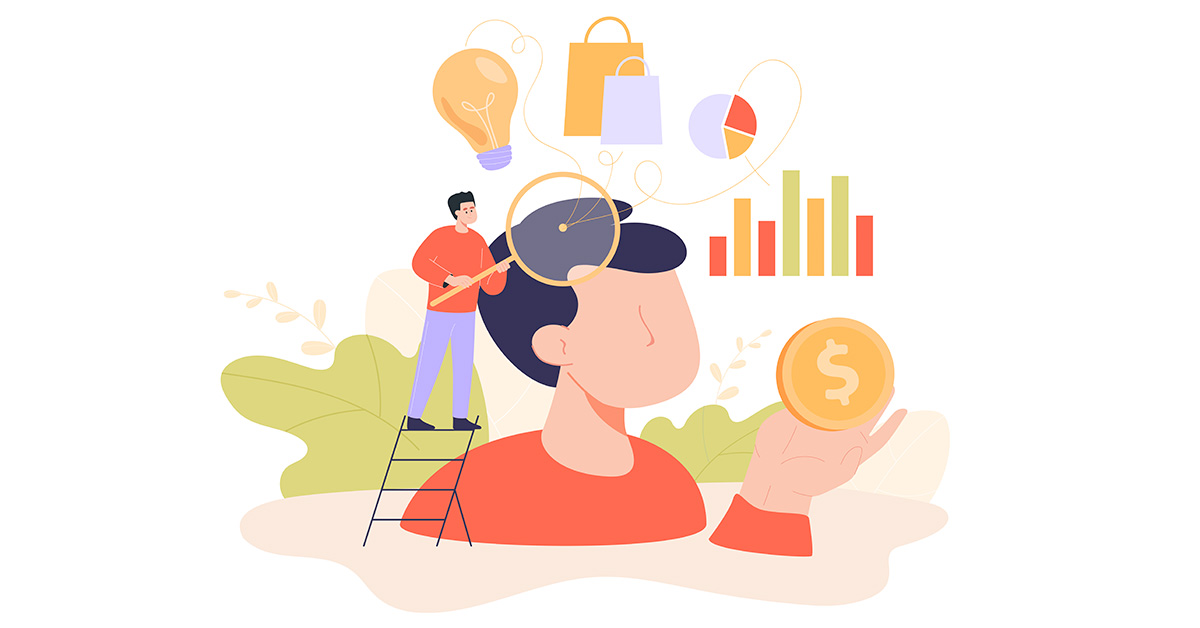
Not all buyers are loud.
Some do not panic-buy. Some do not convert the second they see a countdown timer blinking at them like a threat. Some click your ad, open twelve tabs, read reviews, scroll TikTok, close their laptop, think about it, talk themselves out of it, talk themselves back into it, and then quietly buy three days later.
These are not bad buyers. These are high-intent buyers.
And if your marketing strategy only knows how to yell “BUY NOW,” you are almost definitely missing them.
Fast buyers thrive on urgency. Slower buyers thrive on confidence.
When shoppers slow down, it usually means the decision matters more. They are not buying for a deadline or a gift or a fleeting hit of dopamine. They are buying for themselves. That single shift changes how your ads, creative, and funnel need to behave.
Many D2C brands misread this moment. They see longer conversion windows and assume intent is weakening, when in reality intent is deepening. This is exactly why early-year performance can feel confusing, something we unpacked in Your January Ad Data Is Gaslighting You. Delayed conversions often look worse in-platform than they actually are in real revenue.
Urgency works when the buyer already wants to say yes.
Slower buyers are not in that headspace yet. They are not avoiding the purchase. They are evaluating it. When urgency is applied too early, it feels pushy, not persuasive.
Instead of “last chance,” they want answers. Does this product actually work? How does it fit into daily life? What makes it different from the three alternatives they just Googled? Will I regret this next week?
Research regularly highlighted by Think With Google shows that in lower-pressure buying moments, shoppers prioritize clarity, proof, and reassurance over discounts or time pressure. In other words, confidence converts better than hype.
When buyers slow down, the funnel does not collapse. It elongates.
Clicks turn into research. Research turns into comparison. Comparison turns into delayed but more confident conversions. This is where brands that rely purely on bottom-funnel tactics get frustrated and start making rash decisions.
Smart brands adjust the role of creative. Educational messaging, use-case storytelling, UGC that feels honest rather than polished, and content that reduces friction outperform hard-sell ads during this phase. This directly reinforces what we covered in Why Your Ad Creative Is the Real Growth Lever. Creative is not just for attention. It is for reassurance.
Here’s the part many brands miss. The platforms are built for this kind of buyer.
Meta’s algorithm does not require instant purchases to learn. It rewards engagement, consistency, and signals of interest over time. Google’s AI-powered search experience increasingly surfaces brands that clearly explain value and intent, something we explored in Google AI Search Updates. YouTube thrives when users want to learn passively before committing.
The mistake is not slow performance. The mistake is abandoning campaigns before the platforms finish learning who these buyers are.
This is the quiet upside.
Slower buyers tend to churn less. They return less frequently, but when they do, it is intentional. They trust the brand more because the decision felt earned, not rushed. They are less price-sensitive over time because they bought into the value, not the offer.
This is why structured approaches like our 90-Day Full Funnel Framework treat slower periods as investment phases, not panic phases. The goal is not to force speed. The goal is to build conviction.
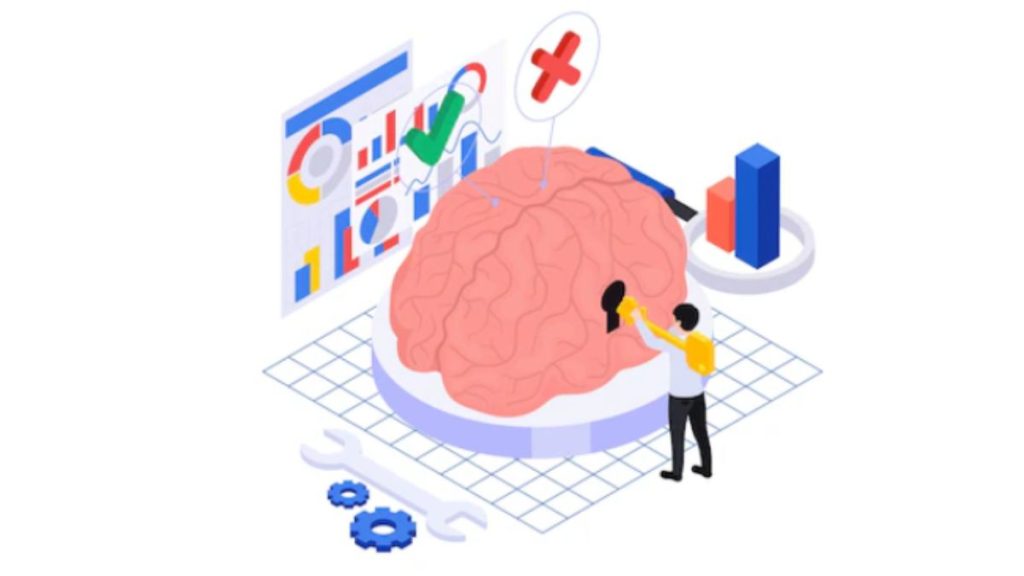
Brands that convert slower buyers well do not overhaul everything. They shift emphasis.
They let ads educate before they sell. They allow campaigns to run long enough to generate meaningful learning. They evaluate performance across the funnel instead of obsessing over immediate ROAS. They understand that not all demand announces itself loudly.
This is also where cross-channel strategy matters. Search captures intent when buyers are ready. Meta and YouTube nurture intent while they are deciding. Each channel does its job when you let it.
High-intent buyers do not always convert quickly. Slower behavior usually signals higher consideration, not weaker demand. Brands that replace urgency with clarity, education, and trust-building creative convert more consistently and build stronger long-term customers.
The loudest ads do not always win.
The brands that scale are the ones that know when to push and when to explain. Slower buyers are not a problem to solve. They are an opportunity to convert better, not faster.
At Good On, we help brands build creative and funnel strategies that respect how people actually buy. If your ads feel like they are working but conversions are lagging, it might not be the platform. It might be the message.
And that is something we are very good at fixing.
Let’s start with a slightly uncomfortable question. Where does your customer data actually live? If...

Your Meta ads stopped scaling. The platform is not broken. Here are the three real...
Most DTC brands hit a wall between $1M and $5M. Here are the 5 real...