Why Meta Ads Stop Scaling (And What Actually Fixes It)
Published on April 9, 2026

Your Meta ads were working. Then they stopped. You didn’t change anything obvious. The creative looked fine. The budget was the same. But the numbers just started sliding and now you’re staring at a ROAS that used to make sense and a CAC that doesn’t.
This is one of the most common conversations we have with DTC brands between $1M and $5M. And the good news is it’s almost never the platform. Meta still works. The issue is almost always one of three things happening underneath the surface.
This post walks through what actually causes Meta ads to stop scaling, how to diagnose which problem you’re dealing with, and what to do about it. If you haven’t read why DTC brands hit a growth wall after $1M, start there first. This post goes one layer deeper into the paid media side specifically.
Most brands assume their ads stopped working because of iOS privacy changes, rising CPMs, or a bad algorithm update. Those things are real but they’re background noise. The brands we work with that maintain strong ROAS through all of that have something in common: they understand the three root causes of performance decline and they address them before the numbers start sliding.
This is the most common culprit and the easiest to miss because the decline is gradual. Your best ad runs for six weeks. Click-through rate drops a little. You don’t pull it. It runs for another three weeks. By the time the ROAS is noticeably bad, that ad has been slowly dragging down your account for two months.
The rule we follow with every account we manage: flag any ad that has been running for more than 14 days, regardless of whether it still looks like it’s performing. Performance decline lags creative fatigue by days. By the time the numbers show the problem, the problem has already been costing you.
The fix is a creative rotation system, not just a refresh schedule. The brands scaling past $5M are not making new ads when the old ones die. They have fresh creative in the pipeline before the current batch even starts to slow down. Three to five new creatives tested every single week. Winners get scaled. Losers get killed in 48 hours.
Every DTC brand starts with a warm audience: existing customers, site visitors, email subscribers, social followers. These people already know you and they convert easily. For most brands, this warm audience drives the early ROAS numbers that make paid media look great.
The problem comes when you try to scale. You increase spend, Meta pushes the ads to a broader audience, and suddenly you’re talking to people who have never heard of you. Your warm audience creative does not work on cold traffic. A DTC brand that built its audience on “our customers love us” messaging will see that ad fall flat in front of someone who has no reason yet to care.
What you need at this stage is a real top-of-funnel layer. Creative built specifically for cold audiences that earns attention and builds desire before asking for the sale. Not a catalog ad. Not a retargeting creative running against cold traffic. A proper brand introduction that does the job of making someone who has never seen your brand want to know more.
We have seen brands improve ROAS by 2x without touching a single ad. Just by fixing the landing page.
When your ads are dialed in but your conversion rate is flat or declining, the ad is not the problem. Your landing page was probably built when most of your traffic was warm. Warm visitors already trust you. They land on the page knowing what they’re there for and they convert.
Cold visitors need everything explained from scratch in under three seconds. If your headline assumes the visitor already knows your product, if your offer is buried below the fold, if the page loads in more than two seconds, you’re losing the conversion before the customer ever reads a word.
The test is simple. Look at your landing page through the eyes of someone who has never heard of your brand. Does the headline tell them exactly what you sell and why it matters? Is the offer visible immediately? Does the page feel trustworthy on first glance? If the answer to any of those is no, that is where your ROAS is going.
Before you change anything, you need to know what you’re actually dealing with. Here’s how to tell.
If your click-through rate is declining but your conversion rate is stable, that’s a creative fatigue problem. Your ads are losing their ability to stop the scroll but the people who do click are still buying at roughly the same rate. You need new creative, not a landing page fix.
If your click-through rate is fine but your conversion rate is dropping, that’s a landing page problem. People are interested enough to click but something on the page is losing them. Start with load speed, headline clarity, and offer visibility.
If both numbers are declining and you recently increased spend significantly, that’s probably audience exhaustion. You’ve scaled into cold traffic without the creative and funnel structure to handle it. You need to build the top of funnel before scaling spend further.
If you’re a DTC brand doing $1M to $5M and you want your Meta ads to keep scaling, here’s what the account structure should look like.
At the top of the funnel you have cold prospecting campaigns targeting lookalike audiences built from your best buyers. Not interest-based targeting. Not broad audiences. A lookalike of the customers who have purchased twice or more and spent above your average order value. That audience is the closest thing to a guaranteed cold win you will find on Meta.
The creative running against that cold audience is brand story content. Short video or strong lifestyle creative that earns attention and introduces who you are before asking for a sale. No direct response pressure. Just enough to get a click and plant the seed.
In the middle you have retargeting campaigns hitting people who visited your site or engaged with your content in the last 7 to 30 days. This is where your stronger conversion creative goes. Product-specific ads, social proof, offers. These people already know you. Now you’re giving them a reason to act.
At the bottom you have retention and upsell campaigns targeting existing customers. If you’re running acquisition ads to people who already bought from you, you’re wasting money. Suppress your customer list from your cold campaigns entirely and target them separately with loyalty, replenishment, and upsell creative.
Running all three simultaneously with the right creative at each stage is what separates brands with consistent ROAS from brands that are constantly chasing their own performance. If your account does not look like this yet, that is the most important thing to fix before you touch your budget.
Pull your current active ads. Flag every ad that has been running for more than 14 days. Check the click-through rate trend on each one. If any are declining week over week, they are fatigued regardless of what the overall ROAS looks like today.
Then look at your landing page. Time how long it takes to load on mobile. Read your headline out loud imagining you have never heard of your brand. If either of those feels wrong, you have found where your ROAS is going.
Two hours of honest audit work will tell you more than any agency pitch about what is holding your paid media back.
If you want a second set of eyes on your Meta account, we are offering free paid media audits this month. Full account review, top 3 budget leaks identified, specific recommendations you can act on immediately. No pitch. Just honest feedback.
Up next: What a Real DTC Performance Agency Does vs. What Most Sell You
The TL;DR "Best" is a fit question, not a fame question. You have four ways...
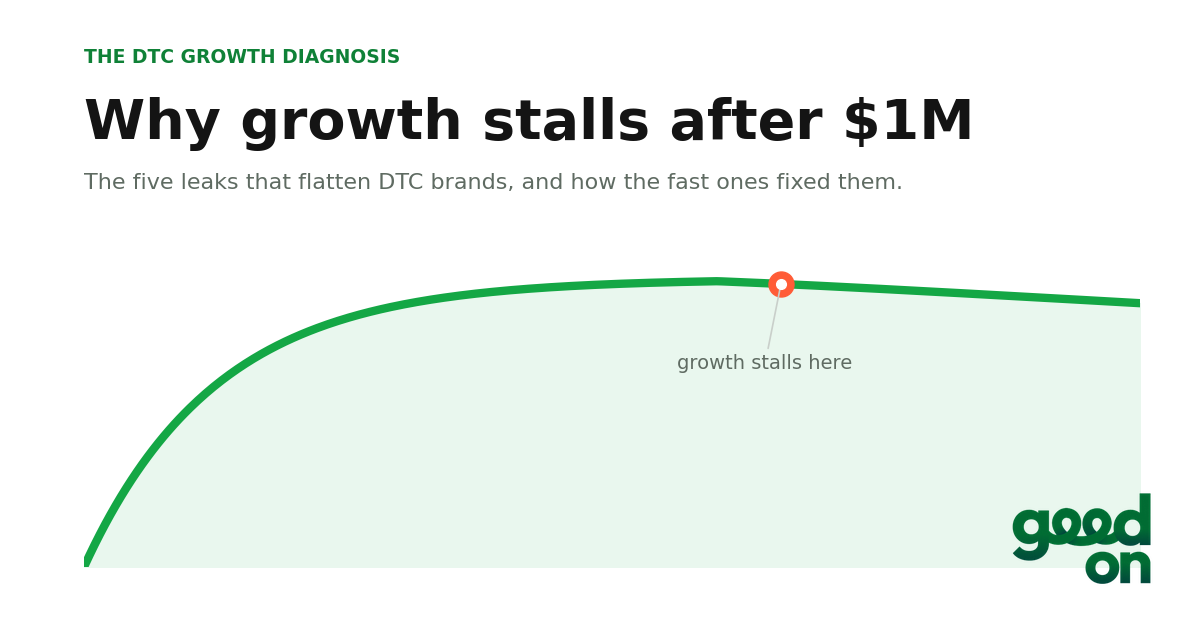
The Operator’s Read The five leaks that stall DTC brands after $1M Written by Shriya...
Let’s start with a slightly uncomfortable question. Where does your customer data actually live? If...