How Google’s AI Search Changes Will Impact Your Branded and Performance Ads This Holiday Season
Published on November 27, 2025
If you’ve been wondering why Google Search suddenly feels like it’s writing your emails for you, it’s not your imagination. Google has pushed its AI-driven Search Generative Experience (SGE) into the spotlight—right before the biggest shopping surge of the year. And yes, it’s absolutely going to impact how shoppers see your brand, click your ads, and buy your products this December.
The search landscape is shifting at the exact moment when consumers are googling gift ideas at 3 a.m. and advertisers are competing like their Q4 goals depend on it. (Because they do.)
So let’s unpack what’s happening, why it matters, and how to adjust your strategy before holiday CPCs start acting feral.
SGE is Google’s attempt to show users AI-generated summaries at the top of search results. Instead of the familiar list of links and ads, the user now gets a big AI-written explanation that answers their question directly—pulling from multiple websites at once. Sometimes yours. Sometimes your competitors’. Sometimes a random blog from 2017.
This means the traditional “top of page = top of visibility” rule no longer applies. Even if you’ve paid for the best keywords, your ad may appear underneath a large AI summary box that already told the user everything they needed to know.
It’s helpful for the user… Not so helpful for your impressions.
And heading into December? The impact is even sharper, because search spikes mean SGE has more opportunities to appear and potentially intercept holiday shoppers before they ever see your brand.

Here’s what’s actually changing behind the scenes.
First, branded searches may now trigger AI summaries that paraphrase your brand before the user even clicks. This can work in your favor if your messaging is tight, consistent, and clear. But it can also flatten your positioning if Google interprets your brand a little too generically. Think “eco-friendly skincare” instead of the very specific positioning you intended. A quick sweep of your homepage copy, meta descriptions, and Google Business Profile can help make sure the AI is pulling the right material. (A refresher on message alignment lives in our Google Ads Playbook).
Second, performance ads will face new competition. SGE tends to absorb low-intent traffic—the classic “best gifts under $50” or “how to fix dry skin” searches. As AI answers those questions instantly, the traffic that does click through becomes higher intent… and typically more expensive. That means your creative, hooks, and keywords need to be tuned for users who know what they want and are ready to buy. The stronger and more specific your value prop, the better your ads perform in this new landscape.
Third, top-of-funnel discovery is likely to shrink unless you diversify. If a user gets everything they need from Google’s AI snapshot, they may never make it to your site – meaning fewer new users entering your retargeting pool. This shift makes YouTube, Meta Ads, and even Reddit Ads increasingly important for brands needing to fuel demand during December. We’ve broken down these channel shifts in our Meta Automation Guide and Reddit Ads Performance Update.
Finally, “Position 1” isn’t the guaranteed visibility it used to be. You can technically rank first and still end up halfway down the page. That means your structured data, product pages, and SEO fundamentals matter more than ever. Google’s AI pulls information from whatever it can find—so make sure it finds the right things.
The good news is that none of this requires reinventing your strategy. It just requires tightening it.
Start by auditing your branded keywords and SERP appearance. Search your brand the way a holiday shopper would and see what Google pulls into the AI-generated summary. If anything looks off-brand, vague, or outdated, that’s your first fix.
Next, refresh your ad creative. SGE handles the “informational” side of search. Your ads need to win the emotional side: urgency, clarity, reason to act now. Strong hooks and human messaging matter more when you’re competing with a robot that summarizes everything in a sentence.
This is also the month to get serious about non-search traffic. YouTube is a major driver of holiday discovery, and Google’s AI models pull from video metadata, which means YouTube campaigns can influence SGE visibility as well as drive top-of-funnel traffic. Meta remains your most efficient channel for retargeting. Reddit drives niche, intent-heavy shoppers who are still researching what to buy. The brands that win December are the ones not relying on search alone.
And if you haven’t already tested your Performance Max assets… do it now. The system performs best when it has accumulated data before peak buying weeks, and PMax (yes, also AI-driven) favors brands who feed it strong visuals, UGC-style creative, and clearly defined product value.
Google’s AI search updates are reshaping the SERP right as holiday competition spikes. SGE summaries can push ads lower, influence brand perception, and reduce low-intent search traffic. The brands that adapt now by strengthening branded search, tightening creative, and diversifying traffic sources, will enter mid-December with a real advantage.

Google’s AI isn’t out to get you; it’s just a little overconfident. If you give it consistent messaging, clear data, and strong creative, it actually amplifies your brand instead of overshadowing it. December isn’t the month to play defense. It’s the month to feed the algorithm exactly what it needs so it reflects your brand accurately to millions of shoppers.
If you want help adjusting your branded search, tightening your Performance Max setup, or creating December-ready assets that stand out above AI summaries, I can help.
The TL;DR "Best" is a fit question, not a fame question. You have four ways...
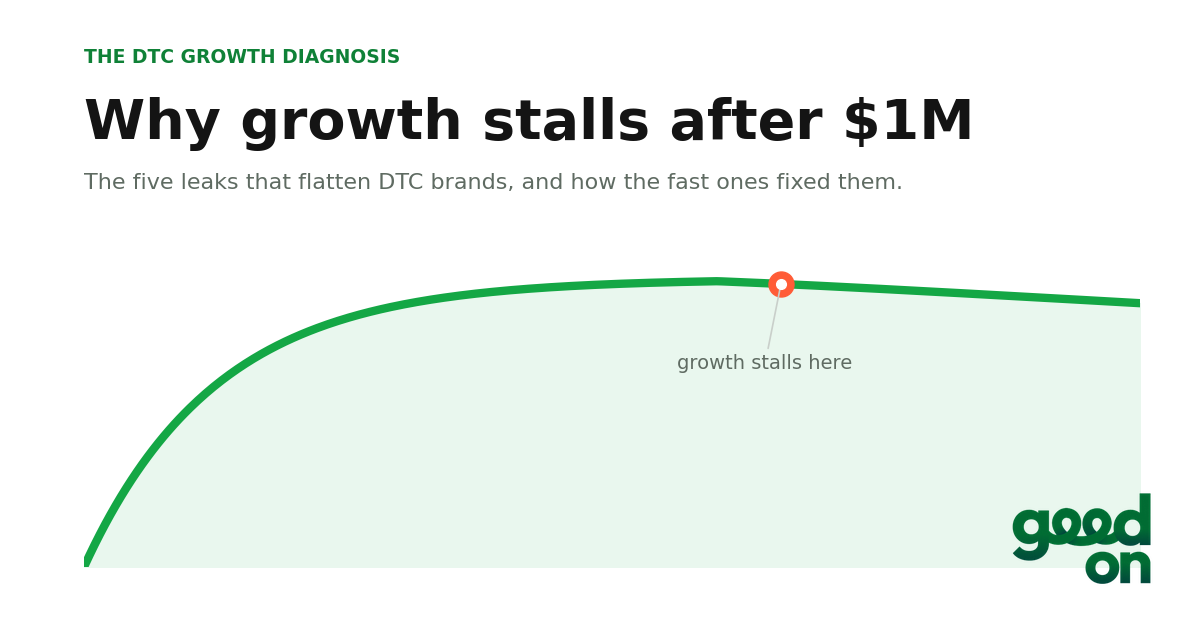
The Operator’s Read The five leaks that stall DTC brands after $1M Written by Shriya...
Let’s start with a slightly uncomfortable question. Where does your customer data actually live? If...