Scaling Meta Ads Without Breaking Performance in 2026
Published on March 4, 2026
Scaling Meta ads seems simple. Turn the budget knob up, watch sales roll in, and celebrate like you just won a golden ticket. Except most of the time, what actually happens is your CPA spikes, delivery wobbles, and suddenly you are questioning all your life choices. If you want to scale without feeling like you are juggling flaming torches blindfolded while riding a unicycle, you need to understand gradual scaling vs random budget bumps. Meta’s algorithm does not like surprises, and sudden changes are basically surprise parties it did not RSVP to.
Meta relies on machine learning to figure out who is likely to convert. When a campaign is new or heavily edited, it enters the learning phase, a period where the system is testing which audiences love your ads and which scroll past. Crank the budget up too quickly, and you basically hit “reset” on the algorithm. Suddenly it has to relearn everything, conversions wobble, and your CPA looks like a rollercoaster designed by a caffeine-fueled toddler.
As explained in Meta Business Help Center – About the Learning Phase, large budget swings confuse Meta and disrupt stable delivery. Similarly, Meta Business Help Center – Edit Ads in Learning Phase notes that significant edits during the learning phase can reset optimization and delay results. Aggressive scaling does not break the system; it just throws it into a minor existential crisis.
Industry research confirms what your gut already knows: slow and steady wins the race. WordStream – Facebook Ads Learning Phase Explained explains that large budget jumps too early in the learning phase spike CPA because the system is still figuring out which audiences actually convert. Jon Loomer – Budget Changes and Performance Impact also highlights how aggressive scaling can distort results, leaving you scratching your head. AdEspresso – Scaling Facebook Ads the Right Way recommends incremental increases rather than doubling budgets, because controlled growth preserves efficiency and prevents you from accidentally breaking the internet.
In short, gradual scaling protects performance and your sanity.
Emotional scaling is when your campaign looks good for a few days and you immediately slam the budget to the moon. Strategic scaling is waiting for consistent performance signals. A campaign ready to scale has exited the learning phase, shows stable conversions, and keeps CPA predictable.
Gradual increases let Meta expand reach without a total meltdown. Sudden jumps make the algorithm start over, which feels like giving your dog a squeaky toy and expecting it to clean your living room. Creative also matters: if your messaging is tired or stale, scaling up just amplifies the problem. That is why reviewing creative health first is critical, as we discuss in Creative Fatigue Blog.
Scaling also benefits from predictive optimization, as seen in Meta Andromeda and Advantage+ Automation Breakdown, where Meta predicts which creative will perform best for each audience. Ramp the budget too fast, and all that predictive magic goes poof.
There are two main approaches. Vertical scaling means adding more budget to campaigns already working. Horizontal scaling duplicates campaigns with controlled budgets to expand reach without shocking the algorithm. Both work when executed carefully. Big, impulsive shifts force the system to relearn everything, while controlled growth lets the algorithm compound what is already working.
Think of it like growing a bonsai tree. Water it too much at once, and you drown it. Increase gradually, prune strategically, and it thrives. Your Meta campaigns are no different.
Data, not excitement, should trigger scaling. If conversions are consistent, audiences are engaged, and creative is strong, the campaign is ready. If not, adding budget is basically throwing spaghetti at the wall and hoping it sticks. Many brands blame the platform when performance dips after scaling, but often the campaign was never ready. Patience, testing, and using historical performance to inform every decision are the keys to long-term success.
Scaling Meta ads is about control, not adrenaline. Random budget jumps reset the learning phase, destabilize delivery, and spike CPA. Gradual increases, strong creative, and stable conversion data allow campaigns to grow efficiently. Slow, data-driven scaling keeps costs predictable, maximizes ROI, and preserves your sanity in 2026.
Meta does not punish scaling. It punishes chaos. Crank budgets overnight, and performance recalibrates, costs spike, and your dashboards throw a tantrum. Scale methodically, keep creative fresh, and let the algorithm do what it does best. Brands that dominate Meta in 2026 will not be the ones spending the most. They will be the ones scaling strategically. Growth is not about speed. It is about control, patience, and a little humor while you watch the system work.
The TL;DR "Best" is a fit question, not a fame question. You have four ways...
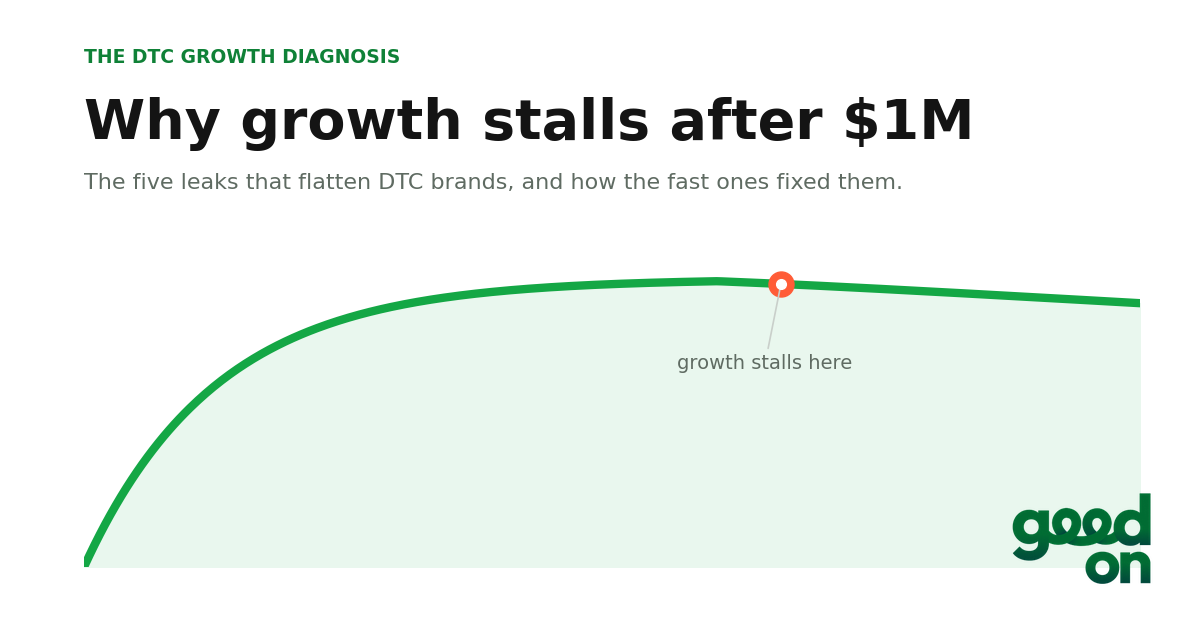
The Operator’s Read The five leaks that stall DTC brands after $1M Written by Shriya...
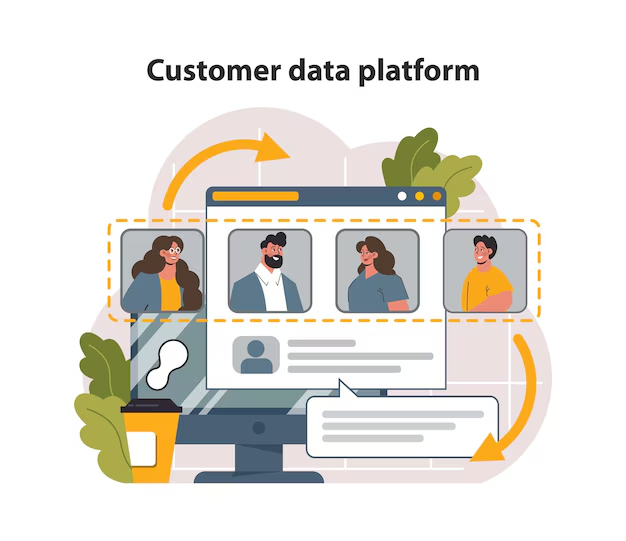
Let’s start with a slightly uncomfortable question. Where does your customer data actually live? If...