First-Party Data Is the New Paid Ads Superpower (And Most Brands Are Still Sleeping On It)
Published on April 3, 2026
There was a time when digital advertising felt suspiciously easy.
Platforms tracked everything. Targeting options were so specific that marketers could find “left-handed dog owners who love oat milk and shop after 11pm.” Life was good.
Then privacy updates happened.
Cookies started disappearing, tracking signals became fuzzier, and suddenly advertisers everywhere began staring at their dashboards like detectives in a crime show.
“Where did the conversions go?”
While everyone was busy blaming algorithms, one of the most powerful tools in marketing was quietly sitting right under their noses.
First-party data.
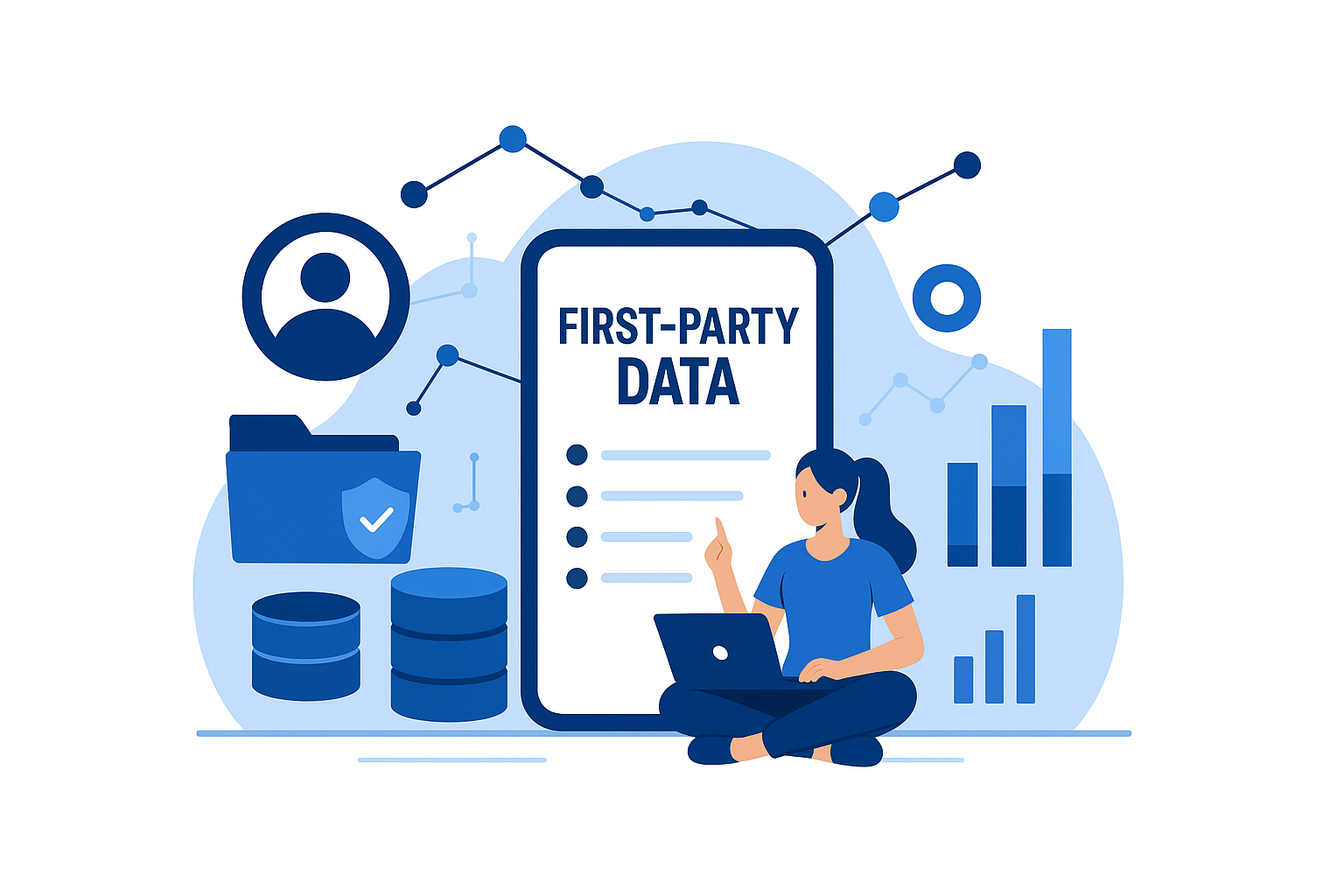
The information your brand collects directly from customers has quickly become one of the most valuable assets in modern advertising. Email subscribers, purchase history, loyalty programs, and website behavior now give advertisers something incredibly rare in today’s privacy-focused world.
Actual certainty.
And the brands that understand this shift are quietly building a massive advantage.
For years, digital advertising relied heavily on third-party tracking. Platforms could observe user behavior across websites and apps, then build incredibly detailed targeting profiles.
Privacy changes are reshaping that model.
Browsers, regulators, and tech companies are pushing the industry toward a more privacy-focused ecosystem where brands rely less on cross-site tracking and more on direct relationships with customers. Google has been openly discussing this shift as part of its Privacy Sandbox initiative, which focuses on privacy-safe advertising signals rather than traditional cookies.
In simple terms, advertisers can no longer depend on the internet to do all the tracking for them.
Brands now need to know their own customers.
This might sound revolutionary, but it is really just marketing returning to its roots. Businesses have always succeeded by understanding their audience. The only difference now is that algorithms are involved and the spreadsheets are slightly scarier.
For a long time, email lists were treated like the quiet cousin of the marketing world. Useful, dependable, but rarely the star of the show.
That has changed dramatically.
Platforms like Meta, TikTok, and Google allow advertisers to upload customer lists to create custom audiences and lookalike audiences. Instead of guessing who might be interested in your product, you can show the algorithm exactly what your best customers look like.
This gives machine learning models a much clearer picture of who is likely to convert.
It also works beautifully with the algorithm-driven ad systems we discussed in our breakdown of Meta’s Advantage+ automation and the Andromeda engine, where machine learning relies heavily on strong signals to optimize delivery.
When you provide the algorithm with real customer data, it becomes far better at finding people who behave similarly.
Think of it as giving the platform a cheat sheet.
Modern advertising platforms are powered by machine learning systems that constantly analyze signals to decide who should see an ad.
The better the signal, the better the prediction.
First-party data provides some of the strongest signals available because it reflects real customer behavior. Purchases, repeat buyers, and high-value customers all tell the algorithm what success actually looks like for your brand.
When those signals are combined with strong creative testing strategies, the results can be extremely powerful. We talked about this concept in our Performance Creative Framework blog, where creative attracts attention while data helps platforms identify the right audience.
Creative brings people in.
Data helps find more of them.
Together they form a marketing dream team.

One of the biggest myths in advertising is that bigger companies automatically win because they have bigger budgets.
First-party data tells a slightly different story.
Smaller brands often have closer relationships with their customers. Their communities tend to be more engaged, their feedback loops are faster, and their data is often easier to organize and activate.
A well-maintained email list, a loyalty program, or even a simple post-purchase survey can reveal incredibly useful insights about what customers care about and why they buy.
Large companies have plenty of data too. They just sometimes need three meetings, two committees, and a slide deck before anyone is allowed to use it.
Agility is a real advantage.
The most advanced advertisers today are not simply collecting first-party data. They are building systems around it.
Customer relationship platforms, analytics tools, email marketing platforms, and advertising accounts are increasingly connected so data can flow between them. This creates a feedback loop where insights from one channel improve performance across others.
Industry research on the future of privacy-focused advertising frequently highlights the importance of integrated data systems and direct customer relationships.
Brands that build these ecosystems gain something extremely valuable in digital marketing.
Stability.
When platforms change, algorithms evolve, or tracking rules shift again, these brands still have their own reliable data foundation.
And that makes everything else easier.
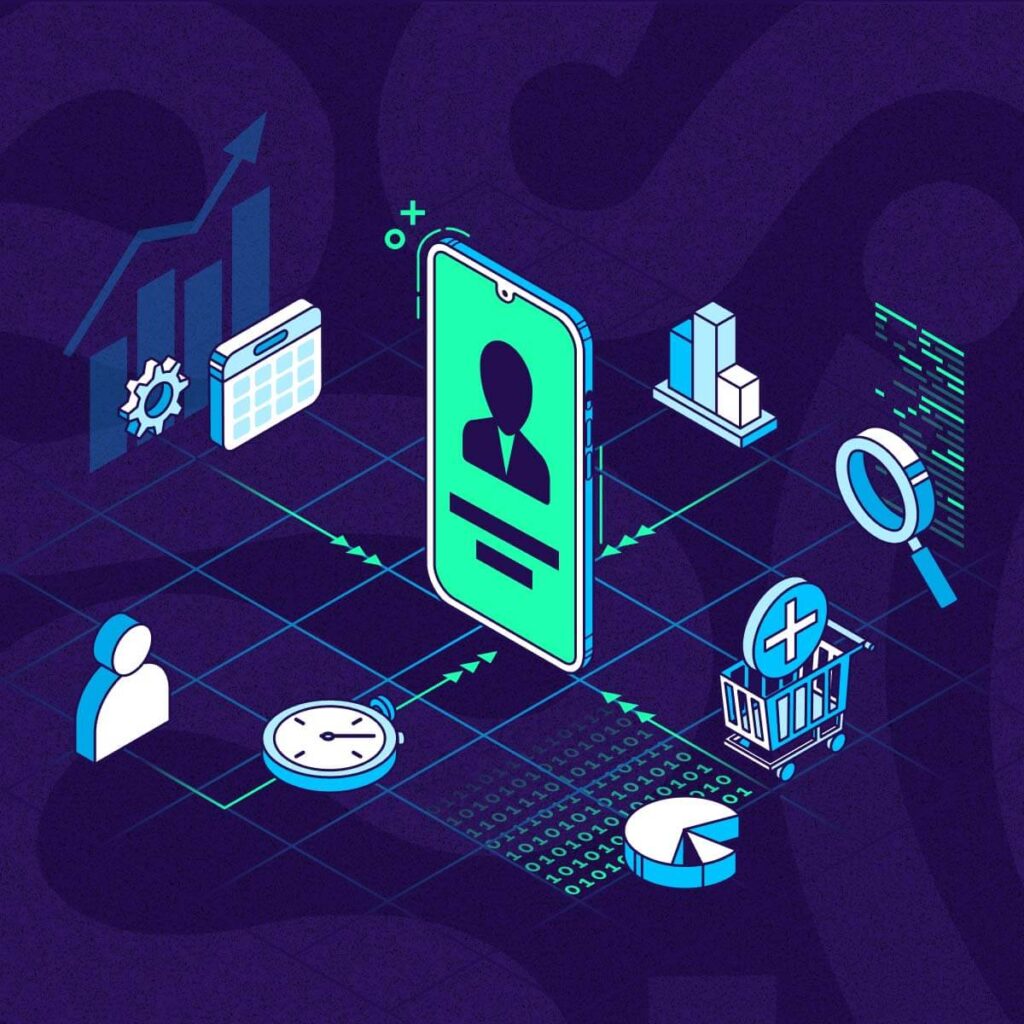
Privacy changes are reshaping digital advertising, and first-party data is quickly becoming one of the most valuable assets brands can have. Email lists, purchase history, and customer behavior provide strong signals that help modern advertising algorithms find the right audiences. Brands that actively collect and activate their own data will perform better as third-party tracking becomes less reliable.
For years, marketers relied on advertising platforms to supply the data needed for targeting and optimization.
Now the smartest brands are realizing the most valuable data was theirs all along.
First-party data is not just a solution for privacy changes. It is becoming the foundation of effective advertising.
The brands that invest in understanding their customers today will have a massive advantage tomorrow.
Everyone else will still be asking the algorithm to guess.
The TL;DR "Best" is a fit question, not a fame question. You have four ways...
The Operator’s Read The five leaks that stall DTC brands after $1M Written by Shriya...
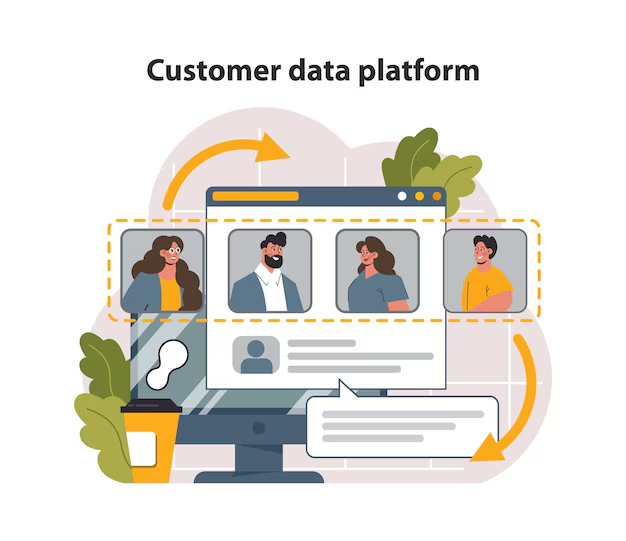
Let’s start with a slightly uncomfortable question. Where does your customer data actually live? If...